Is Tap Water Safe for Newborns? Here Is What Experts Say
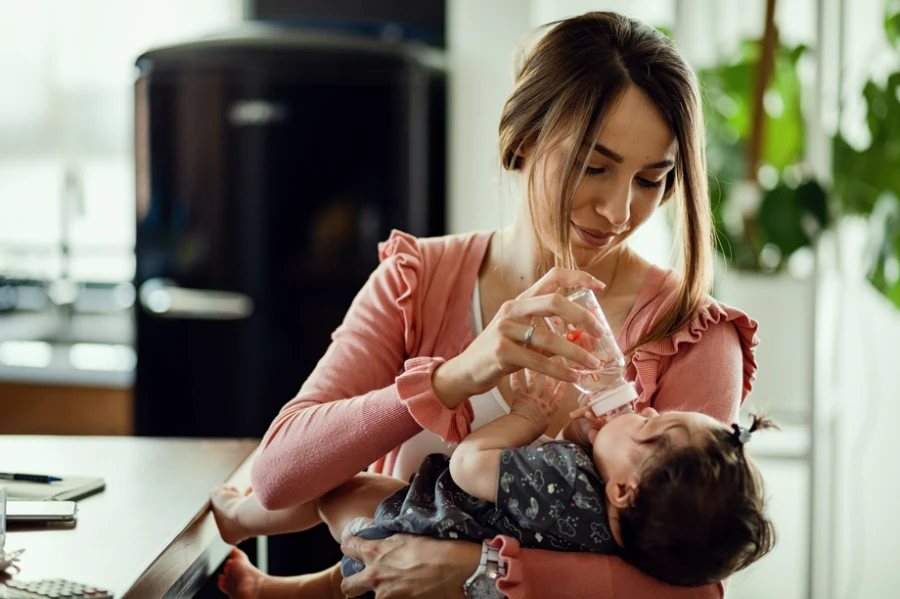
When a newborn arrives, every detail matters – including the water used to prepare formula or for drinking. Although many people assume that tap water is safe, contaminants such as chlorine and limescale (hardness) can have a negative impact on newborns.
1. Does Boiling Make Tap Water Safe?
Boiling does not always remove chlorine or limescale. Chlorine and limescale alter the taste, structure, and effect of the water.
- Paediatricians advise: filtration, combined with boiling when necessary, is the safest method for preparing water for formula or drinking.
2. Scientific Research on Babies and Tap Water
Hard (Limescale) Water and Eczema Risk
- A UK study of 1,300 babies found up to 87% higher odds of eczema in 3-month-old babies bathed in hard water (>150 mg/L CaCO₃).
- A review of 6 studies (385,901 children) showed a significant association between water hardness (>350 mg/L CaCO₃) and atopic dermatitis in children up to 6 years of age.
Chlorine
- Although chlorine kills bacteria, it can damage the skin barrier and have a negative effect on babies.
3. Water in Formula Milk – What the Experts Say
The quality of water used in formula is crucial for a baby's health:
- The American Academy of Pediatrics advises: do not use well water that contains nitrates above 10 mg/L – this can cause methemoglobinaemia.
- WebMD notes: mineral water is acceptable ONLY if it has low levels of sodium and fluoride (>0.7 mg/L is not recommended).
- Verywell Family recommends: if you use tap water, test it for fluoride, nitrates, and bacteria – and if there are risks, use filtered water of proven quality.
4. Practical Recommendations for Safe Water
When it comes to water for a newborn, the most important thing is to be confident in its quality – not only for drinking, but also for preparing formula and other meals. Here are some practical tips you can apply immediately:
1. Always use fresh water to prepare formula
Regardless of whether you use filtered, boiled, or bottled water, it is important that it be fresh. Do not reheat water that has already been heated, and do not use water that has been standing for a long time, especially not in plastic bottles or uncovered containers.
2. Check the source of your water
If you use tap water, find out about its composition: whether it has elevated chlorine levels, whether it is hard (containing limescale), and what its microbiological safety is. Many municipalities make this data publicly available, or you can carry out a home test with a TDS meter.
3. Avoid direct use of mineral or sparkling water
Although some bottled waters are labelled as "safe for babies", check the composition – in particular the levels of sodium (Na) and fluoride (F). Excessively high amounts of these minerals are not recommended for babies in the first 6–12 months.
4. Do not use well water without prior testing
Well water may appear "natural" and "clean", but it often contains naturally occurring salts, bacteria, or residues from agricultural activity. Always consult a laboratory or your local health authority if you wish to use it.
5. Avoid storing boiled water for extended periods
Many parents know that water must be boiled, but not that it should be used immediately. Water left standing at room temperature for a long time can once again become a suitable environment for bacterial growth. Heat each feed just before feeding time.
6. Consult your paediatrician or health visitor
If you are unsure which type of water is most suitable for your baby, consult a professional. Depending on the geographical location and the condition of the water supply network, recommendations may vary.
7. Pay attention to containers and utensils as well
Even if you use safe water, dirty containers can compromise hygiene. Always sterilise bottles, teats, and spoons – especially in the first months. Filtered water can also help prevent limescale build-up in bottles and sterilisers.
8. Monitor water temperature
For preparing formula, water should be around 37°C – approximately body temperature. If it is too hot, it can destroy the nutritional value of the formula; if it is too cold, the powder will not dissolve properly.
These recommendations are simple, but they make a significant difference in day-to-day baby care. When you combine them with proper, reliable filtration, you can be confident that you are giving your baby the purest possible start.
5. Why Aqua Glass Is an Excellent Choice
Ultimately, safety is what matters – and that is where Aqua Glass comes in, our best-selling filtration system for drinking and food preparation:
- Controlled mineralisation: adds a measured quantity of beneficial minerals (calcium and magnesium) that improve the taste and nutritional value of the water – without excessive sodium or sulphates.
- Advanced filtration: superior protection through a mechanical filter, activated carbon, reverse osmosis, and membrane layers – removes chlorine, hardness, and limescale.
- Simple and effective: direct connection under the kitchen sink, focused on drinking water and food preparation – precisely what a newborn's needs require.
Conclusion for Parents
- Chlorine and limescale in tap water MUST NOT be ignored, especially when it comes to a newborn.
- Boiling protects the water from bacteria, but does NOT fully remove limescale.
- With Aqua Glass you get clean, safe water enriched with beneficial minerals – ideal for both you and your baby.