Is Well Water Safe to Drink?
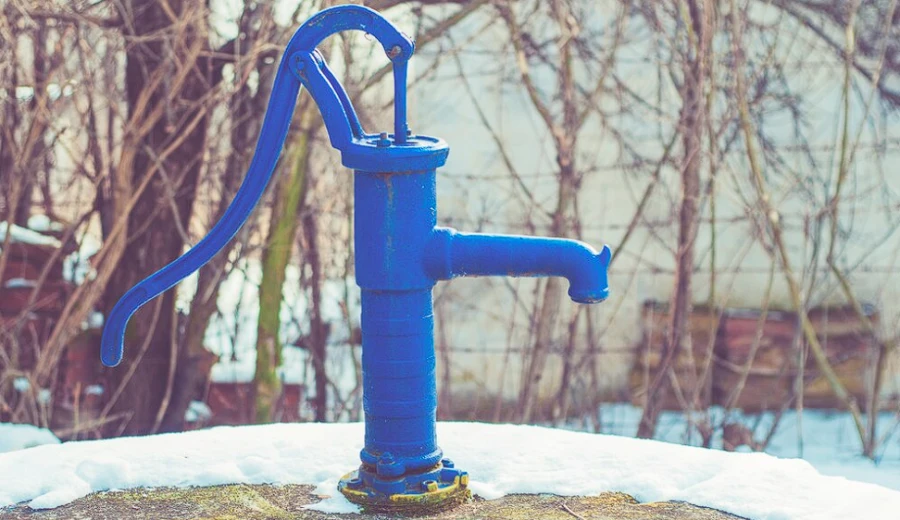
Well water is an important source for many households, especially in rural areas. But is well water truly safe to drink everywhere? In this article we will examine all aspects of well water — from how it forms and the potential contaminants it carries, to the ways it can be filtered and the well maintained. We will discover how you can ensure clean, healthy water for your family.
1. How does water form in wells?
Water in wells forms through the natural cycle of infiltration of rainwater and melting snow that seep into underground layers. These layers act as a natural filter, retaining certain contaminants as the water travels through soil and rock. However, not all wells are created equal. Deep wells generally offer greater protection from surface contaminants compared to shallow ones.
Nevertheless, this natural process does not always guarantee completely pure water. Local conditions — such as nearby agricultural areas or industrial activities — can compromise the quality of well water.
2. Most common contaminants in well water
Although well water is often considered natural and clean, it can be exposed to various contaminants that compromise its safety. Here are some of the most common:
- Bacteria and viruses: These microbes can enter well water through nearby septic tanks or animal waste.
- Nitrates and pesticides: Agricultural activities often result in the release of chemicals into groundwater. Nitrates are particularly dangerous for young children and pregnant women.
- Heavy metals: Water can contain lead, arsenic or mercury, which are toxic even in small concentrations.
- Chemicals from industrial activities: If there are factories or industrial facilities nearby, there is a risk of contamination with various chemicals.
- Natural minerals: In some cases, minerals such as iron and manganese may be present in excessive amounts, which is not harmful but can affect the taste and colour of the water.
Main sources of well water contamination
1. Chemical contaminants
Well water can be contaminated with chemicals from agricultural and industrial activities. Some of the most common contaminants of this type are:
- Pesticides and herbicides: Agricultural activities frequently use chemicals to protect crops from pests and weeds. When these chemicals are applied to fields, some of them can be washed off and penetrate into groundwater.
- Heavy metals: Lead, arsenic, mercury and cadmium can come from industrial waste, the uncontrolled disposal of batteries or the corrosion of old pipes. These metals are extremely toxic and can cause long-term health consequences.
- Petroleum and fuels: Leaks from fuel tanks or the improper storage of petroleum products can lead to water contamination with benzene and other carcinogenic compounds.
2. Microbiological contaminants
Microbes are one of the most common sources of well water contamination:
- Bacteria: Bacteria such as E. coli and Salmonella can reach well water through animal waste or human faecal matter.
- Viruses: Small viral particles can often penetrate into groundwater, especially after heavy rainfall or flooding.
- Parasites: Parasites such as Giardia and Cryptosporidium can cause serious gastrointestinal illnesses and most commonly originate from contaminated wastewater sources.
3. Organic contaminants
Organic contaminants originate from the decomposition of animal or plant waste. For example:
- Compost and manure: Excessive use of organic fertiliser can lead to the penetration of nitrates into groundwater.
- Livestock waste: Large quantities of animal manure, if not stored properly, can seep into wells through underground flows.
4. Radioactive substances
Some regions have natural deposits of radioactive elements such as radon, uranium or radium. These elements can enter water and pose a serious health risk.
3. How does well water become contaminated?
1. Poor well location
The location of the well plays a crucial role in its safety. Wells situated close to septic tanks, farms, landfills or industrial facilities are exposed to a much higher risk of contamination.
2. Improper maintenance
Wells require regular cleaning and inspection. Cracked walls, damaged covers or old pipes can allow contaminants to enter the water.
3. Natural disasters
Floods, earthquakes and heavy rainfall can cause contaminants to spill into well water. After a flood, for example, the risk of microbiological contamination increases significantly.
4. Wastewater infiltration
In urban areas or near livestock farms, infiltration of wastewater into underground flows is common, and these flows eventually reach wells.
Health risks from contaminated well water
1. Diseases caused by bacteria
- E. coli and Salmonella cause stomach problems, diarrhoea and vomiting.
- Bacteria such as Legionella can cause respiratory infections.
2. Toxic effects of chemicals
- Consuming water with high levels of nitrates can cause "blue baby syndrome" in newborns, which is associated with a lack of oxygen in the blood.
- Long-term exposure to heavy metals such as lead can lead to damage to the nervous system and kidneys.
4. How to test your well water?
Regular water testing is a key step to ensuring its safety. Here is how you can do it:
- Take a water sample: Use a sterile container to take a sample directly from the well.
- Send it to a laboratory: Contact a local laboratory that performs water analysis. Parameters such as pH value, presence of bacteria, nitrates and heavy metals are usually tested.
- Use home test kits: Rapid test kits for certain contaminants are available on the market, but they cannot replace professional analysis.
- Regularity: Testing should be carried out at least once or twice a year, or more frequently if there are changes in the colour, taste or smell of the water.
5. What does "safe to drink" mean?
Safe drinking water is water that meets national and international quality standards. These standards establish maximum permissible concentrations of harmful substances and bacteria. Some of the parameters taken into consideration are:
- The level of microbiological purity: No presence of Escherichia coli and other pathogenic bacteria.
- The concentration of nitrates and nitrites: Below the permissible limits to avoid health problems.
- The level of heavy metals: Such as lead, mercury and arsenic, which must be kept to a minimum.
- Neutral pH: The value should be between 6.5 and 8.5.
Even if the water looks clean, that does not mean it is safe. Regular monitoring and filtration are therefore of essential importance.
6. Filtration of well water: Is it necessary?
Filtration of well water is an effective way to remove contaminants. Although natural filtration through the soil provides a certain degree of purity, modern filtration systems can raise the quality of the water to a higher level. Here is how they work:
- Pre-filtration: Removal of coarse particles such as sand and sediment.
- Activated carbon: Absorption of chemicals, pesticides and unpleasant odours.
- Reverse osmosis: The most effective technology for removing bacteria, viruses and heavy metals.
- Mineralization: Restoring beneficial minerals to the water for better taste and health.
At SPAR we have complete well water filtration systems that provide multi-stage filtration guaranteeing clean and healthy water, regardless of the source.
7. Tips for maintaining your well
Regular well maintenance is crucial to preventing contamination. Here are a few useful tips:
- Well cleaning: Regularly remove debris and deposits from the bottom.
- Check the seal: Make sure the cover is tightly closed to prevent contaminants from entering.
- Regular testing: Monitor water quality, especially after heavy rain or flooding.
- Install a filter: Install a filtration system as an additional layer of protection.
- Distance from contaminants: Ensure the well is at a sufficient distance from septic tanks or other potential sources of contamination.
Solution from SPAR: Clean and healthy water every day
Water is the foundation of life, and its quality directly affects your health and well-being. With SPAR filtration systems, such as SPAR Aqua Glass, you can be confident that your family will have access to clean, safe and healthy water.
This system combines 7 stages of filtration and 9 phases of mineralization, guaranteeing maximum purity and excellent water taste.
Contact us for more information or for a consultation on the best solution for your home.