What is a TDS meter and how do you measure water quality with it?
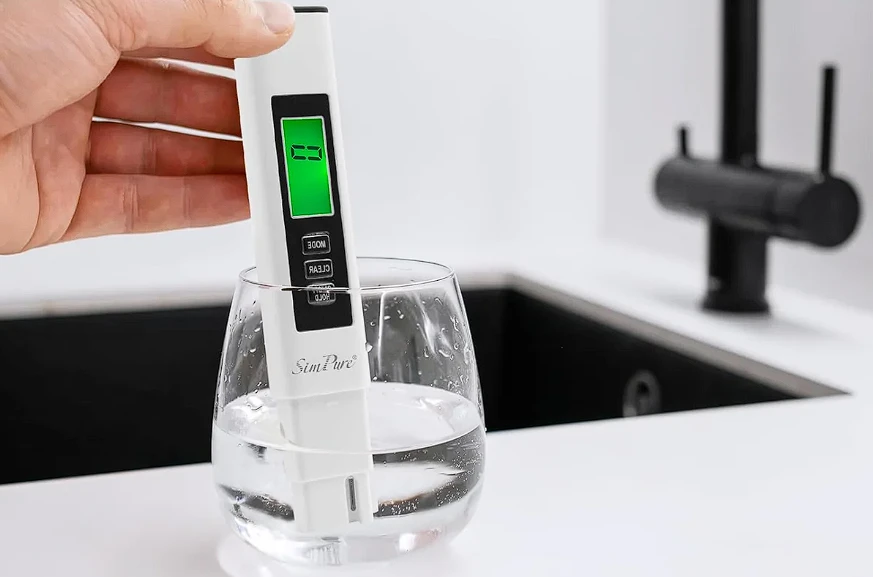
When we talk about water quality, we often come across the abbreviation TDS. But what does it actually mean, and why does it matter for everyday life — especially when it comes to the water we drink, use for cooking, or use to prepare coffee or tea?
In this post we will explain what TDS is, how it is measured, what the values indicate, and how it can help you make an informed decision about the water in your home.
What is TDS?
TDS stands for "Total Dissolved Solids" — the total amount of dissolved solid matter in water. This includes not only minerals, but also salts, organic matter, and inorganic chemicals present in the water in microscopic form. TDS is an important indicator of water quality and affects the taste, safety, and practical value of water.
The most common components of TDS are:
- Water hardness
- Sodium, potassium, fluoride
- Bicarbonates, sulfates, and chlorides
- Residual chlorine and disinfection by-products
Although many of these substances occur naturally and are not harmful in small quantities, excessively high TDS levels can be a sign of the presence of contaminants, water hardness, or inadequate filtration.
Why is it important to measure TDS?
There are several practical reasons why measuring TDS is useful:
- Checking drinking water quality: High TDS values can indicate the presence of chemicals, limescale, or other substances that affect the taste, odour, or safety of the water. Although TDS does not tell you exactly which substances are present, it is a good first indicator.
- Monitoring filter efficiency: If you use a filtration system, measuring the water with a TDS meter shows whether the filter is working correctly and whether it is time for a replacement.
- Protecting kitchen appliances: A high TDS typically means a high mineral content, which leads to limescale build-up. This affects the longevity of appliances such as coffee machines, boilers, electric kettles, and so on.
- Controlling taste and texture during cooking: Water with a high TDS can alter the taste of soups, teas, coffee, or even boiled vegetables. In some recipes, water quality is just as important as the ingredients themselves.
- Personal control without a laboratory: A TDS meter allows you to make a quick assessment of your water without waiting for laboratory results or relying on municipal reports.
What are the recommended values?
According to several European bodies, the general TDS recommendations are as follows:
- 0 – 30 ppm: Exceptionally pure water
- 30 – 60 ppm: Good quality
- 60 – 100 ppm: Acceptable for drinking, but with possible undesirable substances in the water
- 100 – 400 ppm: Not recommended without filtration
- Above 400 ppm: Not suitable for drinking
TDS on its own is not a direct indicator of contamination or health risk, but whenever the value is high, a more detailed analysis is recommended.
How does a TDS meter work?
A TDS meter does not actually "count" solid particles — instead, it measures the electrical conductivity of the water. Pure water on its own does not conduct electricity. When dissolved ions (minerals and salts) are present, they create electrical conductivity.
The device uses this principle to calculate the approximate concentration of dissolved substances, expressed in ppm (parts per million) or mg/L. Most TDS meters include automatic conversion from electrical conductivity to a TDS value.
How do you use one?
Measuring TDS is simple and quick:
- Turn the device on and rinse the tip (the sensor).
- Submerge it in a glass or container of water — up to the marked line.
- Wait a few seconds until the reading stabilises.
- Read the value on the screen.
- Clean the device and return it to its case.
What does TDS not measure?
It is important to note that TDS:
- Does not tell you which specific substances are present in the water.
- Does not measure bacteria, viruses, or microbiological contamination.
- Does not measure heavy metals or specific chemicals (unless they affect conductivity).
Therefore, TDS is a good indicator, but it is not a substitute for a complete laboratory analysis if there is any suspicion of serious contamination.
How does a TDS meter help with home maintenance?
In the household, by regularly measuring TDS you can:
- Know when to replace the filter.
- Discover differences between tap water, filtered water, and bottled water.
- Decide whether your RO or other filtration system is working correctly.
- Protect yourself from limescale build-up in machines and appliances.
Recommendation: SPAR TDS meter
- Easy to use
- Portable (pocket-sized format)
- Ideal for testing tap water, filtered water, and bottled water
- Fast and accurate (shows a result within seconds)
In our web store we offer a practical and precise TDS meter, ideal for home use.
This device is the perfect addition to any home, where you can monitor the quality of the water you drink.
Conclusion
TDS is a simple yet very useful indicator of water quality. With the help of a TDS meter, anyone can quickly and easily find out whether the water used in their home is within the recommended quality range.