Don't Ignore These Symbols! Plastic Labels That Affect Your Health
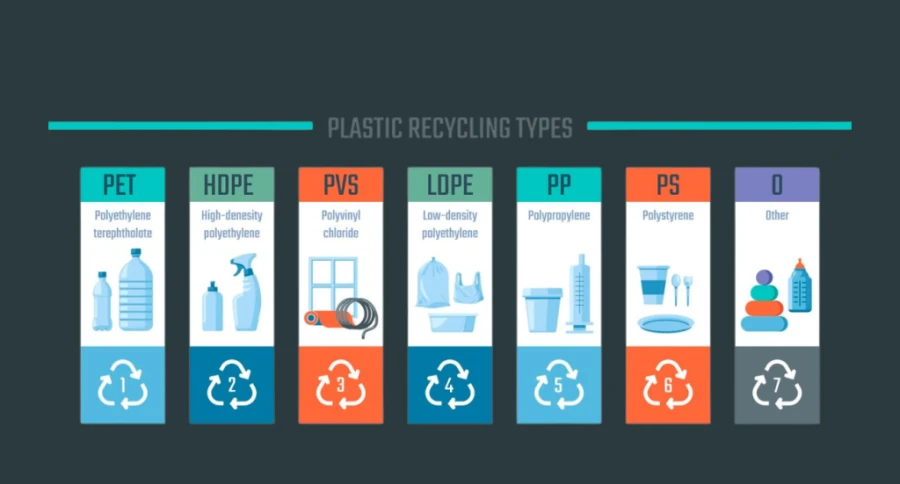
What do the numbers on plastic mean? Decoding the hidden labels!
The plastic bottles and packaging we use every day carry small symbols, usually in the form of a triangle with a number inside. These numbers tell us what type of plastic the product is made from.
Although they may seem insignificant, these codes play a key role in our health and in their impact on the environment.
Here are the main plastic codes and their meaning:
- PET (P1 – Polyethylene terephthalate): Most commonly used for bottled water and carbonated drinks. It contains antimony trioxide, which can leach into the liquid, especially if the plastic is exposed to heat. Studies have shown that this compound can cause hormonal disruption and the development of cancerous cells in the body.
- HDPE (P2 – High-density polyethylene): Considered a safer plastic and used for milk, shampoos and detergents. Although it does not contain BPA, studies show that it can release small amounts of chemicals, especially when damaged.
- PVC (P3 – Polyvinyl chloride): One of the most dangerous plastics! It contains phthalates and dioxins, which are linked to hormonal disruption and carcinogenic effects. Most commonly used for oil packaging and pipes.
- LDPE (P4 – Low-density polyethylene): Frequently used for plastic bags and films. It does not contain BPA, but studies show that certain forms can release endocrine disruptors.
- PP (P5 – Polypropylene): Safe for use and most commonly used for yoghurt containers and food storage containers.
- PS (P6 – Polystyrene): Used for disposable plates and coffee cups. It contains styrene, which is linked to damage to the nervous system and carcinogenic effects.
- Other (P7 – Polycarbonate and other mixed plastics): This category often contains Bisphenol A (BPA), which can cause hormonal problems, infertility and other health risks.
Research shows that not all plastics are safe and that frequent use of some of them (especially PVC, PS and P7) can have serious health consequences.
The most dangerous types of plastic – do you use them every day?
Although plastic is an indispensable part of modern life, not all types are safe for everyday use. Some types of plastic contain toxic chemicals that slowly leach into food, water and air, which can have serious health consequences.
Below we examine which plastics are most dangerous and why we should avoid them.
1. PVC (Polyvinyl chloride – P3)
PVC plastic is considered one of the most harmful due to the chemicals it contains. It is most commonly used for edible oil packaging, plastic pipes, shower curtains and children's toys.
The main problem is that PVC contains phthalates and dioxins, which are linked to hormonal disruption, liver damage and carcinogenic effects.
✅ Research: A study published in Environmental Health Perspectives reveals that "exposure to phthalates can affect reproductive health and increase the risk of endocrine disorders".
2. Polystyrene (PS – P6)
Polystyrene is most commonly used for fast food packaging, disposable plates and cups, but its composition includes styrene, a known neurotoxin.
When polystyrene is exposed to heat (for example, if hot soup or coffee is placed in it), harmful chemicals are released that can cause headaches, nervous system disorders and hormonal imbalances.
✅ Research: The World Health Organization (WHO) classifies styrene as a "possible carcinogen for humans", meaning that frequent use of this plastic can lead to serious health problems.
3. Polycarbonate (PC – P7)
This plastic is frequently used for sports bottles, food containers and some baby bottles. The main problem is that it contains Bisphenol A (BPA), a known endocrine disruptor – a substance that mimics oestrogen and can cause hormonal disorders, infertility and an increased risk of breast and prostate cancer.
✅ Research: The National Institutes of Health (NIH) confirms that "BPA exposure in childhood can affect brain development and behaviour".
How to protect ourselves?
- Avoid plastics with codes 3 (PVC), 6 (PS) and 7 (PC).
- Use glass or stainless steel containers for food and drinks.
- Never heat food in plastic containers, as heat accelerates the release of toxic chemicals.
- Look for products labelled "BPA-free" and "Phthalate-free".
Bisphenol A (BPA), phthalates and other toxins: What is really hidden in plastic?
Modern industry produces millions of tonnes of plastic every year, and many of its components are far from harmless. Two of the most dangerous toxins that can be found in plastic are Bisphenol A (BPA) and phthalates, but they are not the only harmful substances.
These chemicals can enter our bodies through food, water and even air, increasing the risk of various health problems.
Bisphenol A (BPA) – the danger we ignore
BPA is a chemical compound used in the production of polycarbonate plastics (labelled with code 7) and in the lining of metal cans. This substance mimics the hormone oestrogen and can cause serious disruptions in the body.
✅ How does it affect health?
- It disrupts hormonal balance and can lead to infertility in both men and women.
- It increases the risk of breast, prostate and ovarian cancer.
- It affects brain development in foetuses and young children.
- It is linked to an increased risk of diabetes and obesity.
✅ Research: A Harvard University study showed that "people who drink water from plastic bottles containing BPA have significantly elevated levels of this substance in their blood". This shows how quickly this toxic chemical enters the body.
Phthalates – the hidden hormonal disruptors
Phthalates are a group of chemicals used to soften plastic, most commonly in PVC plastic (code 3). These substances can be found in food packaging, children's toys and shampoo bottles.
✅ How do they affect health?
- They disrupt the functioning of the endocrine system, which can lead to premature puberty in girls and reduced sperm count in men.
- They are linked to allergies, asthma and reduced immunity.
- They cause an increased risk of cardiovascular disease.
✅ Research: Research published in the Journal of Clinical Endocrinology & Metabolism reveals that "high levels of phthalates in pregnant women can lead to disorders in foetal development and an increased risk of autism".
Safe or harmful? How to recognise the plastic you should not use!
With all the warnings about toxic chemicals in plastic, it is logical to ask the question – do safer plastic materials exist?
The answer is complex, because although some types of plastic are considered less harmful, their long-term safety is still the subject of research.
Plastic products are labelled with recycling codes from 1 to 7, which provide information about the type of material and its potential risks.
Which plastics are considered safer?
According to experts, three types of plastic are relatively safer to use:
✅ PET (Polyethylene terephthalate) – Code 1
- Used for water bottles, juices and food packaging.
- Considered relatively safe, but can release antimony when exposed to heat or with prolonged use.
- Not recommended for repeated use – PET bottles should not be refilled.
✅ HDPE (High-density polyethylene) – Code 2
- Most commonly used for milk cartons, yoghurt containers, shampoo and cosmetics bottles.
- Considered one of the safest types of plastic, as it contains neither BPA nor phthalates.
- Suitable for recycling and does not release toxins under normal conditions.
✅ PP (Polypropylene) – Code 5
- Used for food containers, bottle caps and medical plastic.
- Heat-resistant and does not release dangerous chemicals when heated.
- The best option for food storage if you must use plastic.
Which plastics should you avoid?
❌ PVC (Polyvinyl chloride) – Code 3
- Used for food packaging, children's toys, shower curtains and pipes.
- Contains phthalates and dioxins, which can cause hormonal disruption and cancer.
- The most dangerous plastic – never use PVC for food and drinks.
❌ PS (Polystyrene) – Code 6
- Used for disposable cups, fast food containers and plastic cutlery.
- Contains styrene, a substance that can damage the liver, the nervous system and cause cancer.
- Avoid it in everyday use!
❌ PC (Polycarbonate) and other plastics – Code 7
- This code covers several types of plastic, including those containing BPA.
- Most commonly used for baby bottles, sports bottles and the inner lining of cans.
- Be careful – plastics with code 7 can release toxins, especially when heated.
How to reduce your exposure to harmful plastics?
✅ Prefer glass, stainless steel or ceramic containers for food and drinks. ✅ If you use plastic, choose HDPE (2) or PP (5). ✅ Avoid packaging food in PVC (3), PS (6) and PC (7). ✅ Never heat food in plastic containers in the microwave. ✅ Check the labels on the bottom of plastic products – they can reveal a great deal about their safety.
Plastic and health: How do harmful plastics affect future generations?
Today, exposure to toxic plastic compounds is not just an individual problem – it is a generational one. The chemicals released from certain types of plastic have the potential to cause long-term health consequences, including reproductive disorders, hormonal imbalances and genetic changes that can be passed on to future generations.
How do toxic plastics affect people's health in the future?
The biggest problems associated with plastic come from BPA (Bisphenol A), phthalates, styrene and dioxins – toxins that can cause serious changes in the body.
🔴 Hormonal disruption and infertility
- BPA is a known endocrine disruptor that mimics oestrogen in the body. This can lead to early onset of puberty in girls, reduced spermatogenesis in men and problems with infertility.
- According to research, increased BPA exposure in pregnant women can lead to damage in foetal development.
🔴 Brain development problems and neurological disorders
- Phthalates, found in PVC plastic (code 3), are linked to reduced cognitive function and concentration problems in children.
- A study conducted at Harvard showed that children exposed to high levels of styrene (code 6) have reduced cognitive abilities and an increased risk of neurological disorders.
🔴 Increased risk of cancer and chronic diseases
- Dioxins, present in PVC (code 3), are among the most toxic chemicals and can cause DNA mutations and carcinogenic effects.
- World Health Organization research shows that exposure to microplastics (found even in drinking water) can cause chronic inflammation and an increased risk of autoimmune diseases.
How to protect our health and the future of our children?
Given that plastic is everywhere around us, we cannot avoid it entirely, but we can significantly reduce our exposure to its toxic effects.
✅ Avoid plastic food and drink containers with codes 1, 3, 6 and 7. ✅ Prefer glass, metal and ceramic food containers. ✅ Reduce your use of bottled water and switch to filtered water. ✅ Never heat plastic in the microwave. ✅ Educate children and young people about the dangers of plastic.
SPAR OFFERS A SOLUTION – CLEAN WATER, WITHOUT PLASTIC!
At a time when even the water we drink contains microplastics, the best protection is purifying the water in your home.
💧 Aqua Glass – Ultra-powerful filtration system
- 7 stages of purification and 9 stages of mineralization
- Removes microplastics, heavy metals and bacteria
- Perfectly clean water for the whole family
💧 Aqua Minerals – Natural minerals for better hydration
- Provides water with a balanced pH and essential minerals
- Improves the taste of the water and its nutritional value
- Removes toxic substances from tap water.
Don't take the risk – protect your health and the health of future generations.
Choose SPAR for clean and safe water and join more than 5,000 satisfied families who use our water filtration systems.