How Does Drinking Water Become Contaminated?
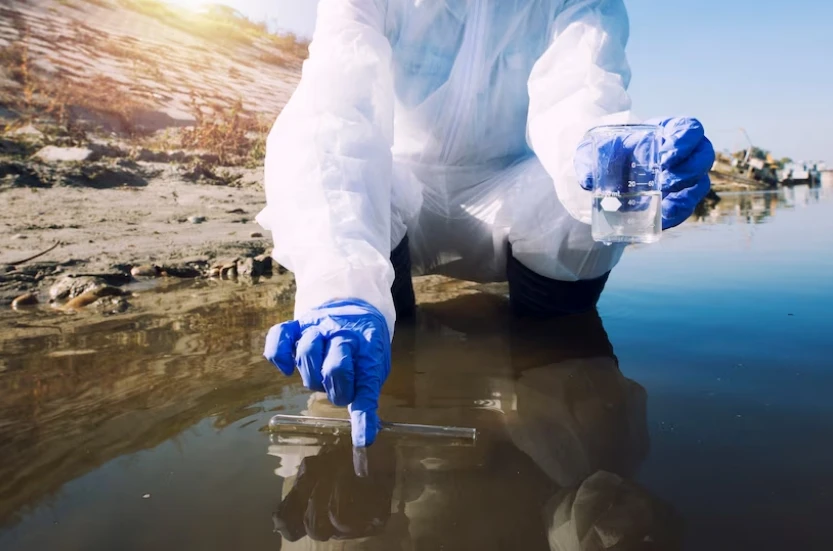
Contaminants are physical, chemical, biological or radiological substances or matter found in water. Anything other than water molecules can be considered a contaminant.
Contaminants can be natural, caused by human activity, or both. Drinking water requires treatment to remove dangerous contaminants. If consumed, some drinking water contaminants can lead to health effects such as gastrointestinal illness, reproductive problems and neurological disorders.
According to the World Health Organization (WHO), contaminated drinking water causes approximately 485,000 diarrhoea-related deaths every year.
Types of Water Contamination
There are three categories of drinking water contaminants, including physical, chemical and biological.
Physical contaminants affect the physical appearance or properties of water. Examples of physical contaminants can include sediment or organic material released into lakes, rivers and streams from soil erosion.
Chemical contaminants can be naturally occurring or man-made compounds, including nitrogen, bleach, salt, pesticides, metals, toxins produced by bacteria, and human or animal medicines.
Biological contaminants in water, called microbes or microbiological contaminants, can include bacteria, viruses, protozoa and parasites.
Radiological contaminants such as cesium, plutonium and uranium are chemical elements with an unbalanced number of protons and neutrons. Unbalanced chemical elements can result in unstable atoms emitting harmful radiation.
Each category of water supply contamination can come from various sources, including:
Agricultural
Operations related to agriculture use around 70 percent of the earth's water supply. Farming, livestock, animal waste, and the use of fertilisers and pesticides are responsible for water pollution when too much nitrogen and phosphorus are exposed to water and air. This can cause algae blooms that are harmful to humans and animals when exposed.
The Ground
Around 35 percent of residents living in our country depend on groundwater for drinking. Groundwater is accessed through aquifers, which are natural water well systems made of sediment and rocks that store rainfall underground. Groundwater can be accessed via a spring or a well.
However, well water can become dangerous when soil contaminants, such as asbestos, seep into the groundwater. These well waters require regular checks of the water's technical safety.
Plastics, airborne toxins, oils, chemicals and other carbon emissions continue to pollute our surrounding rivers and lakes.
Sewage and Waste
Although we assume that all wastewater is treated, around 80 percent of global wastewater is returned to the environment without treatment. Contaminants can enter it through sinks, showers, toilets and irrigation.
Common Drinking Water Contaminants
Contaminated drinking water is most likely to contain microorganisms, nitrates or arsenic. These contaminants can quickly cause widespread and serious illness from bacteria and viruses. Other contaminants include asbestos, copper, fluoride, radon, oil or fertilisers.
Moist environments, such as public water systems, stimulate bacterial growth.
Harmful bacteria that can appear and contaminate drinking water include giardia, legionella, norovirus, shigella, campylobacter, salmonella, hepatitis A, cryptosporidium and E. coli.
These bacterial agents can cause infections that affect humans, animals and marine life. Underdeveloped regions have higher concentrations of contaminants, making them more exposed to the risk of developing disease.
While national organisations regulate drinking water to protect residents from exposure, risks of contact still exist. These regulations set standards for the amount of harmless contaminants that can remain in our water.
People at risk of drinking contaminated water can access clean drinking water by using reverse osmosis (RO) treatment systems. RO water treatment systems remove contaminants from water by forcing water molecules through a semi-permeable membrane using significant pressure. Essentially, contaminants are expelled through a filter, leaving clean drinking water behind.
The SPAR Mineral reverse osmosis water filtration system embraces innovative technology and design to integrate various filtration materials into a composite 6-in-1 filter. With dual layers of high-precision PP cotton, activated carbon, activated carbon block and reverse osmosis membrane, and a final mineralizer, the system uses the least amount of space to achieve an optimised filtration effect, reducing TDS, chlorine, heavy metals and many more fine particles that are invisible to the naked eye.
For more information, orders and enquiries, speak with our experts: 076 676 819 and 070 755 190