Is tap water safe to drink?
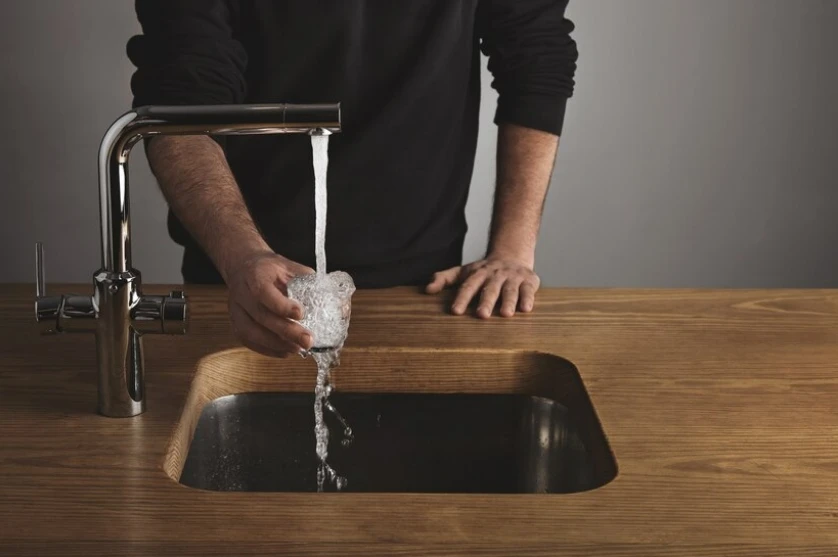
Drinking enough water is essential for maintaining health at its best. For the body to perform functions such as digestion, nutrient absorption, and temperature regulation, it must have sufficient water. Water also promotes healthy organ function and helps the body eliminate toxins.
Tap water is purified to meet safety standards and is typically sourced from municipal water systems. The option is simple and accessible through most household taps, making it an excellent choice. However, depending on the region, quality and taste can vary. The safety of tap water has recently become a source of concern. Public awareness has grown in response to reports of contaminants in certain water supplies. This has led to increased interest in alternative water sources and water filtration systems.
Composition of tap water
Water contains minerals that are essential for human health and can be found in tap water. Common minerals that support healthy bones and muscles include calcium, magnesium, and potassium.
However, there are certain drawbacks to tap water, such as hard water and the accumulation of limescale in pipes and appliances. Finding the ideal balance is essential to ensure water that is both safe and pleasant-tasting while meeting various requirements.
Additives and disinfectants
In order to remove dangerous microorganisms and improve water quality, water treatment facilities frequently use additives and disinfectants. Common disinfectants that work well in eliminating bacteria and viruses include chlorine and chloramine. These substances can alter the taste and smell of tap water.
Additionally, to prevent tooth decay and promote dental health, fluoridated tap water may contain fluoride additives. The careful application of these chemicals represents a precise balancing act between guaranteeing water safety and minimising any possible effect on taste or smell. However, it has already been proven that chlorine and fluoride have harmful effects on humans.
Potential contaminants
Even after thorough treatment procedures, contaminants may still be present in tap water. Health risks can arise from lead, a heavy metal known to enter water through pipes. Furthermore, leaching from industrial chemicals and pesticides can contaminate water sources.
Water treatment plants carry out routine testing and monitoring to identify and quickly address these issues. Homeowners can ensure that the water they consume is safe and of the highest quality by installing advanced filtration systems as an additional line of defence against unwanted impurities. Identifying and resolving these issues helps ensure that tap water safety standards continue to improve.
Water treatment methods
An essential first step in guaranteeing the safety and quality of drinking water is water treatment. It entails several procedures aimed at freeing water from contaminants and impurities and making it suitable for human consumption. Filtration, reverse osmosis, and UV lamp treatment are common water treatment methods; each has a distinct function in purifying water and guaranteeing its safety for human consumption.
Typical water purification techniques
Using physical barriers such as membranes, filters extract particles and impurities from water. This procedure provides a first purification step by effectively removing larger contaminants such as silt and debris.
UV protection
UV treatment uses sunlight to render microorganisms in water inactive. By altering the DNA of bacteria, viruses, and parasites, this chemical-free technique prevents them from multiplying and spreading disease. The taste and smell of water remain unchanged with UV treatment, which effectively eradicates a wide spectrum of pathogens.
Why does human health depend on clean water?
A person can survive without water for only a few days. Water is crucial for overall health. Your heartbeat and eye blinking are two examples of bodily functions that depend on water. Water consumption is essential for normal breathing, temperature regulation, and digestion. We lose water from our bodies when we breathe, sweat, and urinate. If we do not replenish this lost water, dehydration can set in quickly. Dehydration, even in mild cases, can have negative health effects such as headaches, dry mouth, and reduced urine production.
The majority of us do not consume enough water throughout the day. Although there are many guidelines on the amount of water we should consume, each person has different hydration requirements. It is straightforward to follow the recommended eight to ten glasses of water per day, especially if you do not already drink much of it. As long as you are not following a diet that restricts fluids, you are free to drink as much water as you like. Preventing thirst and maintaining adequate hydration are key. If it is hot outside, if you are physically active, or if you have diarrhoea or vomiting, you will need to drink more water.
Health issues related to water quality
Contaminants in our water can cause neurological disorders, reproductive problems, and gastrointestinal illnesses, among other health issues. After drinking contaminated water, those with weakened immune systems, the elderly, pregnant women, young children, and newborns may be more vulnerable to illness.
For example, elevated lead levels can be harmful to health, particularly for expectant mothers and young children.
Tips for safe use of tap water
These suggestions may be helpful if you are concerned about the purity of drinking water in your household:
Water filtration system
It is estimated that every third home in Europe has a water filtration system. In addition to improving the taste of your water, these systems can remove some dangerous chemicals. Various types of water filters are available, such as whole-house systems and reverse osmosis systems.
You can find out which contaminants a filter removes by checking its NSF certification. For home use, our recommendation is SPAR MINERALS, which is also our most in-demand and best-selling system for filtration and obtaining quality, healthy, and clean drinking water.
If you are interested in any of the water filtration models we offer, get in touch with us. For detailed information, orders, and enquiries, contact us on mobile: 076 676 819 and 070 755 190