Why Is Clean Drinking Water More Important Than Ever?
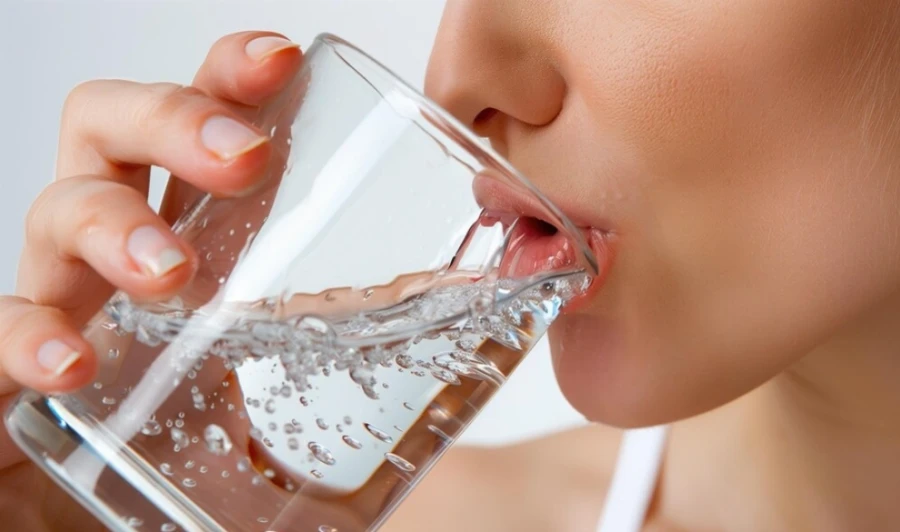
Clean water is a fundamental prerequisite for a healthy life. The water we drink every day is essential not only for our hydration but also for the functioning of every cell in our body. However, many people do not think about what tap water actually contains and whether it is truly safe for consumption.

Due to contamination, ageing water-supply infrastructure, and the use of various chemicals for water treatment, tap water often fails to meet the required purity standards.
Over the last few decades, many European countries have established high water-quality standards. Water filtration has become not only recommended but essential to ensure clean and safe drinking water. This protects people from potentially harmful substances that may be present in the water supply, such as heavy metals, pesticides, microplastics, and other contaminants that enter our water systems.
Why Is It Important to Pay Attention to the Quality of the Water We Drink?
Today, the pollution of natural resources is a problem that cannot be ignored. Although water-supply systems in most countries are designed to deliver water that is safe for use, many people are unaware of the potential contaminants that can end up in their glass. Tap water can often contain various harmful substances such as chlorine, heavy metals (lead, mercury), nitrates, pesticides, and microbes. These substances can cause a range of health problems, especially when ingested over a long period.
In addition, the use of chlorine and other disinfection chemicals can have unwanted effects, such as an unpleasant odour or taste. Although these chemicals destroy bacteria, they cannot completely eliminate all potentially harmful substances. It is therefore important to consider additional filtration of the water we drink every day.
What Does "Clean Water" Actually Mean, and What Are the Standards?

When we talk about "clean water", we mean water that has been purified of all harmful contaminants, with no presence of toxins, chemicals, or microorganisms. This does not simply mean that the water looks good and tastes well — it also means that it is safe to drink in the long run.
European water-quality standards are among the strictest in the world. According to the European Union, drinking water must meet certain parameters to be considered safe, including limits on the concentration of chemicals, bacteria, and other contaminants.
Filtered water — especially water purified through advanced systems such as Aqua Minerals — meets this high standard. Filtration removes all harmful substances and ensures the highest possible level of purity. This is essential for the health and wellbeing of the entire family, as the effects of consuming contaminated water can accumulate over time and cause serious health problems.
With such a filtration system, you can be confident that drinking tap water is safe, healthy, and great-tasting.
The Dangers of Drinking Unfiltered Water

Although tap water may look clean and refreshing at first glance, it can often contain substances that are invisible to the naked eye. Drinking unfiltered water over a long period can cause serious health problems, as it may harbour various contaminants that are harmful to the body.
What Can Tap Water Actually Contain?
Bacteria and microorganisms: One of the primary hazards in tap water is bacteria, viruses, and parasites. Although water is treated with chlorine in most cases to destroy these microorganisms, some that are resistant to such methods may still remain. These microorganisms can cause serious infections and diseases such as gastroenteritis, hepatitis A, and other gastrointestinal illnesses.
Heavy metals: Water can contain various heavy metals such as lead and mercury. These metals can originate from old water-supply pipes or contaminated soil. Heavy metals are toxic to the human body and can cause problems with the nervous system, kidneys, and liver; prolonged exposure to lead can cause developmental disorders in children.
Pesticides and herbicides: Due to agricultural activities and the use of various chemicals in farming, pesticides and herbicides frequently end up in groundwater and, from there, in our water-supply systems. These chemicals are particularly harmful to the hormonal and reproductive systems and can cause various chronic diseases.
Chlorine and other chemicals: Although chlorine is necessary to destroy microorganisms, long-term exposure can cause health problems such as skin irritation, respiratory issues, and even an increased risk of cancer. Additionally, the combination of chlorine with organic matter in water can form dangerous by-products such as trihalomethanes, which are harmful to health.
Microplastics: In recent years, research has shown that microplastics are present even in tap water. These tiny plastic particles enter the body and can cause long-term problems, including immune-system disorders and inflammatory processes.
Risks Associated with Daily Consumption of Unfiltered Water
Drinking unfiltered water every day can have cumulative consequences for health. Contaminants such as bacteria, heavy metals, and pesticides can slowly accumulate in the body, causing problems that may not be noticed immediately but that can trigger serious illnesses over the long term.
Acute health problems: Many people report acute problems such as gastrointestinal infections and stomach issues immediately after consuming contaminated water. Symptoms such as diarrhoea, nausea, and stomach pain can be the first signs that something is wrong with the water.
Long-term chronic diseases: Regular exposure to contaminants such as heavy metals and pesticides can lead to serious chronic diseases. Heavy metals can cause organ damage and increase the risk of developing cancer, while pesticides can lead to endocrine-system disruption and hormonal imbalance.
Plastic contamination and carcinogenic substances: Microplastics and chemicals from plastic bottles are particularly dangerous to the body, as these substances can cause inflammatory processes and cancerous changes in cells. Long-term exposure to these contaminants can significantly increase the risk of developing cancer.
How Do These Contaminants Enter Water-Supply Systems?
Contaminants can enter water-supply systems in various ways. Most commonly, they come from natural water sources that are polluted with industrial waste, agricultural pesticides and chemicals, and urban wastewater. In addition, ageing water-supply systems and poorly maintained pipes can lead to further contamination. Lead, for example, can originate from old water pipes that are still in use in many older urban water systems.
In rural areas, water from underground sources is often contaminated with pesticides and herbicides, while in urban areas, contaminants from industrial activities and household wastewater can enter water-supply systems.
Exploring the Long-Term Consequences of Drinking Unfiltered Water

When we talk about drinking unfiltered water, we often focus on the immediate risks, such as stomach ailments or acute infections. However, long-term exposure to toxins and water contaminants can have far more serious health consequences. Bacteria, heavy metals, chemicals, and pesticides that can be found in unfiltered water gradually accumulate in the body, causing lasting damage and the onset of serious diseases.
How Can Toxins and Contaminants Affect Long-Term Health?
- Kidney damage
One of the greatest risks of long-term consumption of unfiltered water is the toxic effect of heavy metals on the kidneys. Metals such as lead, cadmium, and mercury can accumulate in the body and cause damage to kidney function. This progressively leads to kidney insufficiency and a reduced capacity for the kidneys to filter toxins from the blood, which in turn causes a build-up of waste products in the body.
- Heart problems
Toxins in water — especially heavy metals such as lead and mercury — can have a negative effect on the cardiovascular system. Long-term exposure to these contaminants can increase the risk of heart disease, hypertension (high blood pressure), and even heart attack. Research shows that people who are continuously exposed to water contaminated with heavy metals have significantly higher rates of cardiovascular problems.
- Cancer
Some of the greatest threats associated with drinking contaminated water are carcinogenic substances that can cause cancer. Pesticides, chemicals such as trihalomethanes, and heavy metals that can be found in unfiltered water are proven carcinogens. These substances can cause mutations in cells and over time lead to the development of various types of cancer, including liver, kidney, and colon cancer.
The Link Between Drinking Contaminated Water and Chronic Disease
Consuming unfiltered water is closely linked to the development of chronic diseases. These conditions emerge over the long term as a result of continuous exposure to toxins and contaminants. Here are a few key examples:
Diabetes: Some studies suggest that contaminated water may increase the risk of developing diabetes. Toxins in water can interfere with glucose metabolism, resulting in insulin resistance and the development of type 2 diabetes.
Neurological disorders: Long-term exposure to lead and other toxic metals can cause neurological disorders, particularly in children. These metals can slow cognitive development, cause difficulties with learning and concentration, and impair motor skills.
Respiratory problems: Chemicals in water — especially chlorine and its by-products — can cause respiratory problems, particularly in people who are already susceptible to asthma or other respiratory conditions. Long-term exposure can lead to chronic lung problems.
Evidence from Various Studies and Research
Flint, Michigan: One of the most well-known examples of the harmful effects of contaminated water is the crisis in Flint, Michigan. In 2014, the city's water was contaminated with high levels of lead, causing health problems for thousands of residents, including neurological damage in children. This example demonstrated the direct link between contaminated water and serious health consequences.
World Health Organization (WHO) research: According to the WHO, more than 2 billion people worldwide lack access to safe drinking water. Their data indicates that people who regularly drink contaminated water are at increased risk of diarrhoea, parasitic infections, and chronic diseases such as cancer and cardiovascular disease.
Harvard University study: Research from Harvard University shows that even low levels of pesticide exposure through drinking water can significantly increase the risk of developing cancer. The study found that residents of rural areas who drink water from unprotected sources are particularly vulnerable to an elevated cancer risk.
These studies highlight the importance of using water filters and avoiding the consumption of unfiltered water.
How Filtration Systems Became Standard Across Europe

Over the last few decades, water filtration has become standard across many European countries, reflecting the growing focus on drinking-water safety and quality of life. This is due to awareness of contamination and the need for greater protection of public health through water-quality control. Many countries, such as Germany, Switzerland, and the Netherlands, have taken significant steps to ensure clean and safe water for their citizens by using innovative technologies and filtration systems.
Why Is Water in Europe Under Constant Filtration?
Europe has recognised the importance of clean water not only as a basic need but as a key element in maintaining public health. Economic development, urbanisation, and industrialisation have made water vulnerable to various types of contamination, such as industrial waste, agricultural pesticides, and contaminants from water-supply systems.
To prevent diseases such as bacterial infections and heavy-metal poisoning, governments across Europe have invested in high-quality filtration systems that are part of everyday water supply.
The European Union has introduced strict water-quality regulations through the Drinking Water Directive, which obliges member states to provide drinking water that meets strict quality standards. These regulations require local authorities and water companies to test water regularly and implement filtration technologies to remove all possible contaminants.
How Filtration Systems Are Part of Health Standards
Filtration systems have become an integral part of health standards in Europe. Clean water is not just a matter of comfort — it is a matter of disease prevention. Many contaminants found in unfiltered water, such as heavy metals, pesticides, and bacteria, can cause serious health problems if not removed.
Filtration systems, including household filters and centralised systems at water-treatment plants, are designed to eliminate these risks and provide water that meets strict health standards.
In many European countries, water filtration is considered a fundamental part of public health. In these countries, governments take responsibility for providing filtered water to all citizens, and filtration systems are funded from public resources or through water utilities. In public institutions such as schools and hospitals, filtered water is mandatory, guaranteeing that the most vulnerable sections of the population have access to safe water.
Examples of Countries Where Water Filtration Is Widespread
- Germany
Germany is one of the leading European countries when it comes to drinking-water safety. The German water-supply system uses advanced filtration and water-renewal technologies that ensure a high degree of purity. Tap water is almost always filtered, and the state guarantees its quality through regular testing. Even in urban areas such as Berlin, tap water is safe to drink and is often filtered multiple times before reaching homes.
- Switzerland
Switzerland, known for its natural resources, invests considerable effort in maintaining water purity. Water from mountain sources already starts at a high quality level, yet additional filtration processes are still applied to ensure it is absolutely safe for drinking. Switzerland has strict water-quality regulations and regularly invests in improving water-supply infrastructure.
- The Netherlands
The Netherlands is a world leader in water filtration. Dutch water-supply systems use ultrafiltration, ozonation, and UV sterilisation technologies to ensure that all potential contaminants are eliminated. Dutch water companies focus not only on filtering water but also on maintaining environmentally friendly processes. As a result, the Netherlands is one of the countries with the cleanest drinking water in the world.
Now, some people might say: well, those are powerful, far more developed countries than ours…
YES and NO.
Today, every family in our country can have drinking-water filtration at home at a very affordable price — and you can read below how and in what way.
How to Solve the Problem of Unfiltered Water in Your Home

Aqua Minerals is a top-tier water filtration system and our best-selling system, designed to solve all the problems faced by households that consume unfiltered water. This system is not just another water filter — it is a complete solution for obtaining the purest water directly from the tap, with no need to buy bottled water or worry about water quality.
With 6 filtration stages, Aqua Minerals removes all types of contaminants, including:
- Heavy metals (such as lead and mercury)
- Pesticides and herbicides
- Chemicals such as chlorine and fluoride
- Microbiological contaminants (bacteria, viruses, parasites)
- Microplastics
- Pharmaceutical residues

Details of the Technology That Makes This 6-Stage Filtration System Unique
The technology behind Aqua Minerals is the result of years of research and refinement aimed at ensuring that every drop of water is safe and clean for use. This system uses multi-stage filtration, meaning that water passes through various purification phases to eliminate even the smallest contaminants.
How the System Removes All Contaminants and Delivers Quality Water
The Aqua Minerals filtration system not only removes contaminants from the water but also improves its structure and taste. Thanks to the efficient combination of mechanical, chemical, and biological filters, this system ensures that no potentially harmful element can reach your glass.
Removal of heavy metals: Through specialised filters, lead, mercury, and other toxic metals are absorbed and removed, preventing long-term health consequences.
Elimination of microbes: Ultrafiltration removes all bacteria, viruses, and parasites, making the water safe to drink and free from the risk of infection.
Improved taste and odour: Activated carbon and other filters remove all chemicals and residues that affect the taste of water, giving it a fresh and natural flavour.
With Aqua Minerals, you not only get the best-filtered water — you also guarantee the health and safety of your family.
Ordering and Installation Process
Once you decide to purchase the Aqua Minerals filtration system, we are here to make every step of the process as easy as possible. Our goal is to provide you with the quickest and most straightforward ordering and installation experience so you can enjoy clean and safe water as soon as possible.
How to Order the System Through Our Website
Product selection: On our website, you can easily find the Aqua Minerals filtration system in the water filtration section. Browse the product details and the additional features we offer.
Ordering in a few steps:
- Once you have selected the system, simply click the "Add to cart" button.
- Then fill in your contact information and delivery address.
Order confirmation: After confirming your order, you will receive an email with delivery details and the date when you can expect the system to be delivered.
A Detailed Description of How the System Is Installed in Your Home
Installing the Aqua Minerals filtration system is straightforward and quick. We provide professional technicians who will install the system in your home without any additional complications.
Installation time: Installation typically takes between 1 and 2 hours, depending on the specific location and the requirements of your plumbing. Our team will arrive with all the necessary tools and materials for mounting the system.
Simplicity of the process: The system can be installed in most homes without making major changes to your plumbing. It will be placed directly under the kitchen sink, and a dedicated faucet filter will be fitted to your tap, delivering clean water at the touch of a button.
Safety and verification: After installation, the technician will carry out testing to ensure the system is working correctly and that the water is perfectly filtered. This includes measuring the pH value of the water and checking its purity.
Additional Services
In addition to the basic installation, we also offer the following additional services:
Mounting: Mounting is completely free and is included in the price of the system.
Water testing: During installation, we will carry out a water-quality check in your home before and after filtration to show you how effective the system is.
Support and maintenance: We provide support and regular system maintenance including filter replacement to ensure you always receive the cleanest water.
With Aqua Minerals, you get a complete water filtration solution that is both effective and easy to use, with a fast installation process and additional services that guarantee the highest quality.
Conclusion: Long-Term Benefits of a Filtration System
Clean water is the foundation of a healthy life. Investing in a water filtration system such as Aqua Minerals is one of the best decisions you can make for the health and wellbeing of your family. This system not only removes all harmful contaminants from the water but also ensures daily access to safe and clean water, essential for the proper functioning of the body.
No more buying bottled, lifeless water — from now on you will have the best water right at home.
A cost-effective investment: Although the initial investment in a filtration system may seem significant, in the long run you will save on buying bottled water, medical costs related to poor water quality, and other unplanned expenses.
Environmental benefits: Reducing the use of bottled water contributes to protecting the environment. By using filtered tap water, you help fight plastic pollution.
Clean water is the key to a healthy life. With Aqua Minerals, you are not only investing in a better standard of living for your family — you are investing in their long-term safety and health.
For information and orders, contact us: 076 676 819 and 070 755 190