5 Key Questions About Reverse Osmosis
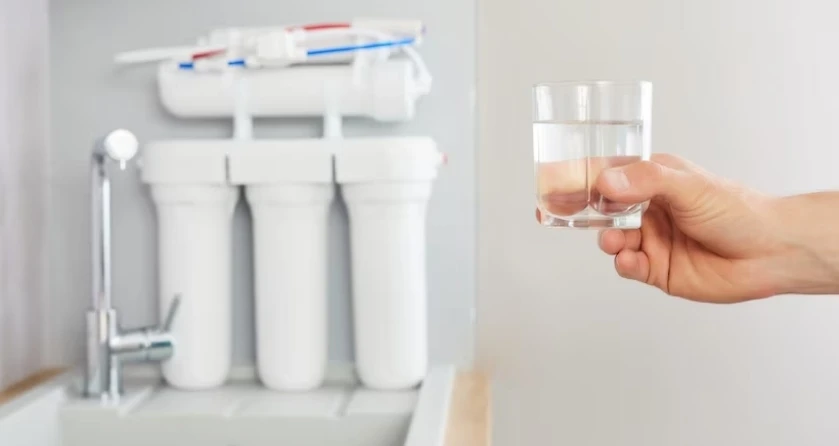
Access to clean drinking water is a basic human need, yet one that remains unmet for many people around the world. However, illness caused by unsafe water is not limited to developing countries.
In many countries, dangerous bacteria can enter the water supply through floods and other natural disasters, as well as through industrial accidents.
Harmful substances such as pesticides, herbicides and heavy metals can be present in our municipal drinking water without being easily detected.
Fortunately, modern technology is available that can remove harmful substances from our drinking water. A useful part of water-purification technology is the reverse osmosis system, sometimes known as RO.
Reverse osmosis systems work by forcing water through a series of membranes to remove various harmful substances.
The result is safe drinking water with a fresh taste.
Many popular bottled-water brands use this type of purification system.
Some bottled-water manufacturers use reverse osmosis where they simply purify the water, bottle it and sell it.
Home reverse osmosis systems are also available to deliver purified water directly to the tap in your kitchen, eliminating the need for plastic bottles.
1. Which substances does a reverse osmosis system remove?
Some of the substances removed by reverse osmosis systems include limescale, chlorine, lead, copper, fluoride, cryptosporidium, arsenic and asbestos.
Each of these elements can negatively affect your health if regularly ingested through your drinking water.
The harmful effects of ingesting lead are well known. Lead, like other heavy metals, accumulates in the human body and can result in neurological damage, developmental delays and even death.
Cryptosporidium is a waterborne parasite that is resistant to chlorine.
A reverse osmosis system can protect you from ingesting these harmful substances.
2. What are the health benefits?
Removing heavy metals and other toxins from your drinking water can protect you and your family from numerous illnesses.
If you or someone in your household is sensitive to these harmful substances in your municipal water, or is immunocompromised in some way, purified water can be a powerful protection against dangerous elements.
People with a weakened immune system may be susceptible to illnesses caused by pathogens that would not negatively affect a relatively healthy person.
In these types of situations, the benefits of home water-purification systems are clear.
In any case, the fact that purified water often tastes better than municipal water frequently means that people drink more of it when it is available, and drinking an ample amount of water every day has well-known health benefits.
3. What is the potential environmental impact?
Installing a home water-purification system can significantly reduce the amount of bottled water purchased by the household, reducing the environmental damage caused by the production and disposal of plastic bottles.
4. What can be done to ensure the healthiest possible drinking water?
Filtering your water is a good idea, especially if you or someone in your household is at high risk of waterborne illness.
Reducing the amount of limescale, chlorine, pesticides and similar heavy metals that enter your body is always an excellent decision, and a reverse osmosis system is ideal for carrying out this task.
One way you can improve the mineral content of your drinking water is by simply remineralizing the water after it has passed through the purification system.
We offer a mineralizer, which is added after the reverse osmosis stage, so that the already purified water passes through the mineralizer, resulting in mineral and alkaline water with a pH value of 8.5–9.5 (depending on the household).
This is included in our AQUA MINERALS system. (a system with a total of 6 filters)
5. Is reverse osmosis worth it?
If you want purified water without relying on an abundance of plastic water bottles, installing a reverse osmosis system in your home can be an excellent idea, especially if you add a mineralization filter as the final step in the purification process.
As always, if you have specific questions about what you need or do not need in your drinking water, consult with us.
Contact: 076 676 819 and 070 755 190